Lead Product Designer Toast Tables Toast Local

One platform, two systems

Two products, completely different users, zero shared foundation. Here's how I built the systems that tied it all together.
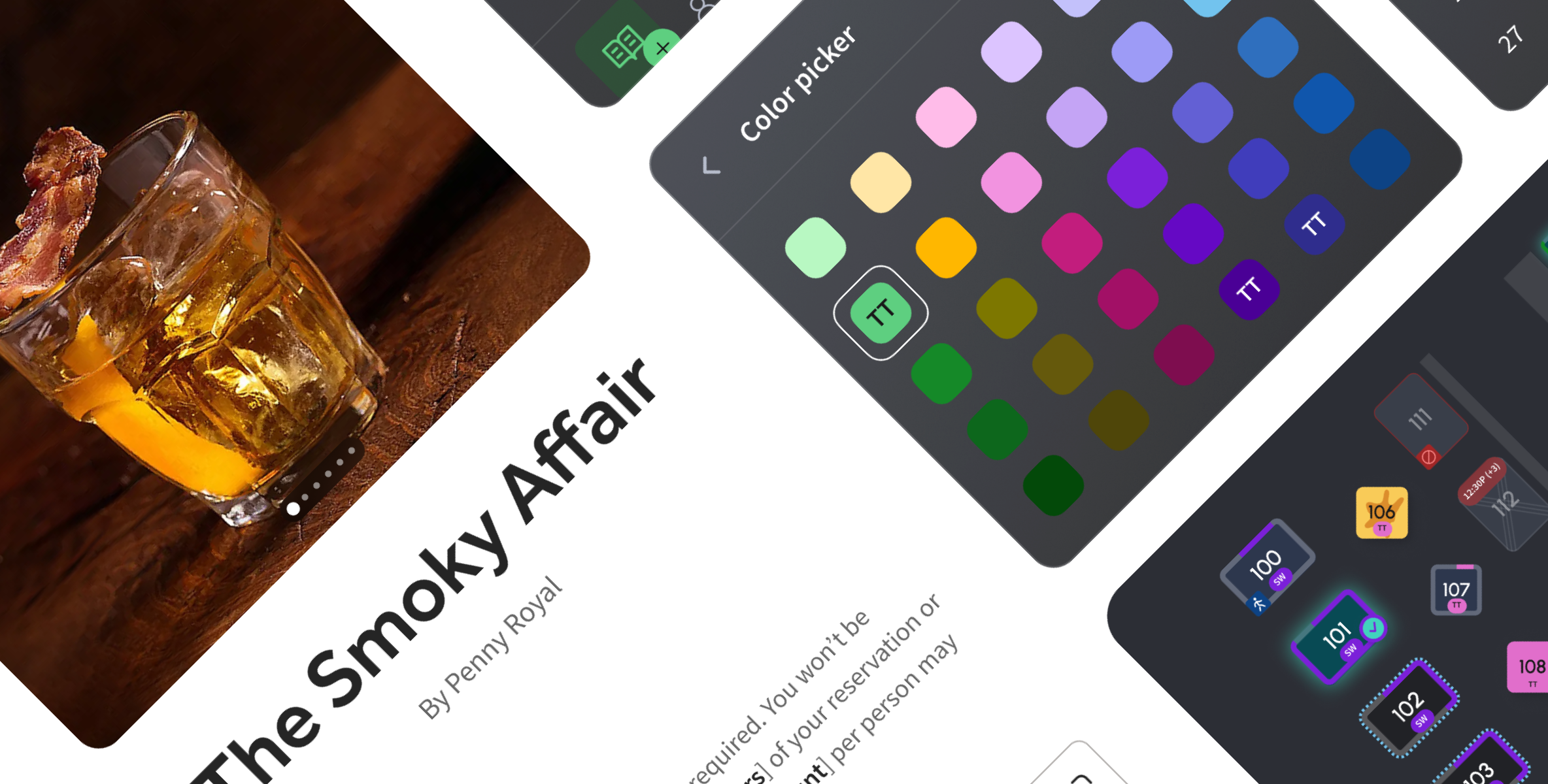
One platform, two systems - design systems work
My Role Lead Product Designer Strategy, UX, and visual ID
Duration 8 Weeks Launch: Q3 2025
Industry Restaurant Tech Toast Tables & Toast Local
Key Outcome Accessibility & Scaling Enabled faster shipping across two product surfaces

The Challenge

The platform was scaling in two directions at once - a consumer marketplace and a restaurant-facing Host App, with no shared design foundation. Each surface had different constraints, different users, and different failure modes. Without a system, every new feature meant starting from scratch.

The Solution

Built two design systems from the ground up, one optimized for operational speed and real-world restaurant conditions, one for consumer discovery and conversion at scale. Both designed to support rapid iteration as the product evolved.
Design systems case study visuals

Same platform, different problems

The restaurant and consumer sides of the platform have completely different needs - one built for speed and operational clarity under pressure, the other for discovery and conversion at scale. I built both from the ground up, each designed around its own constraints.
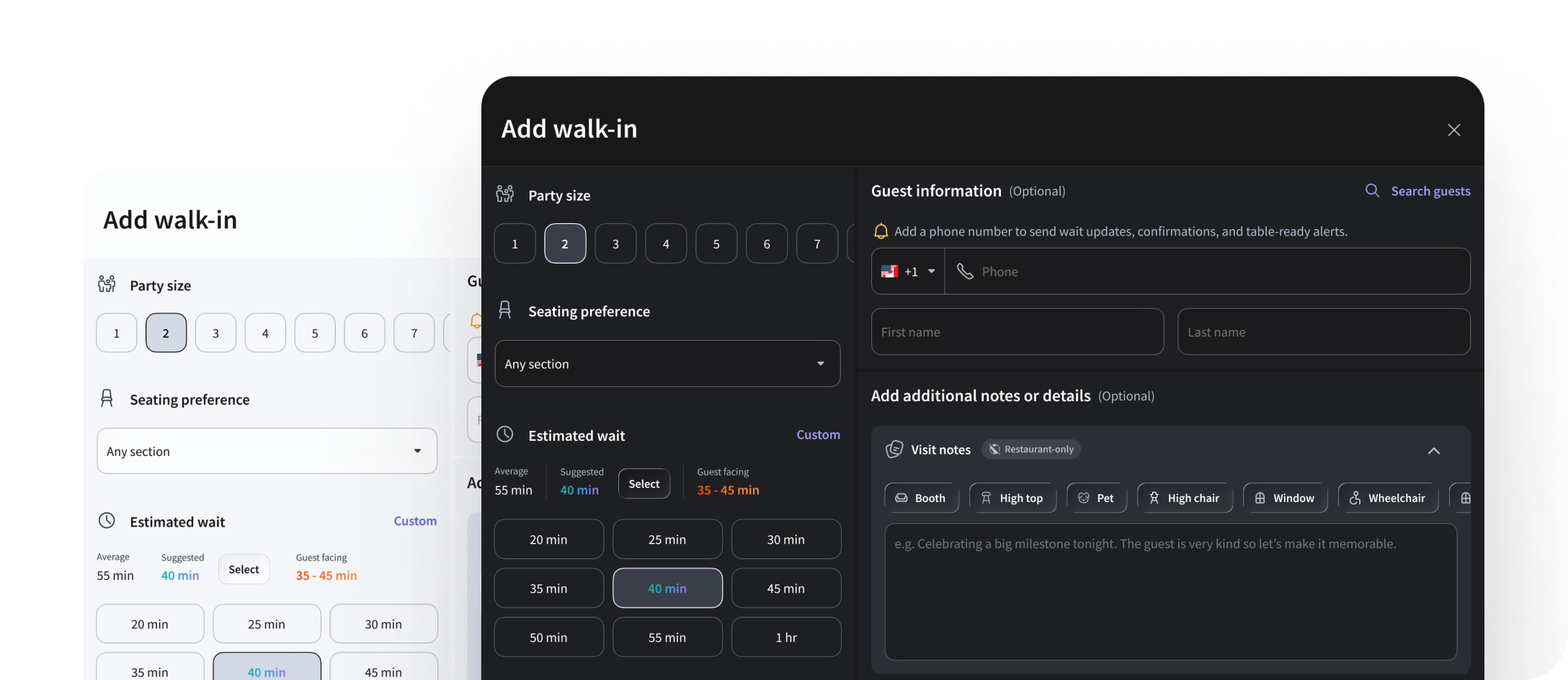
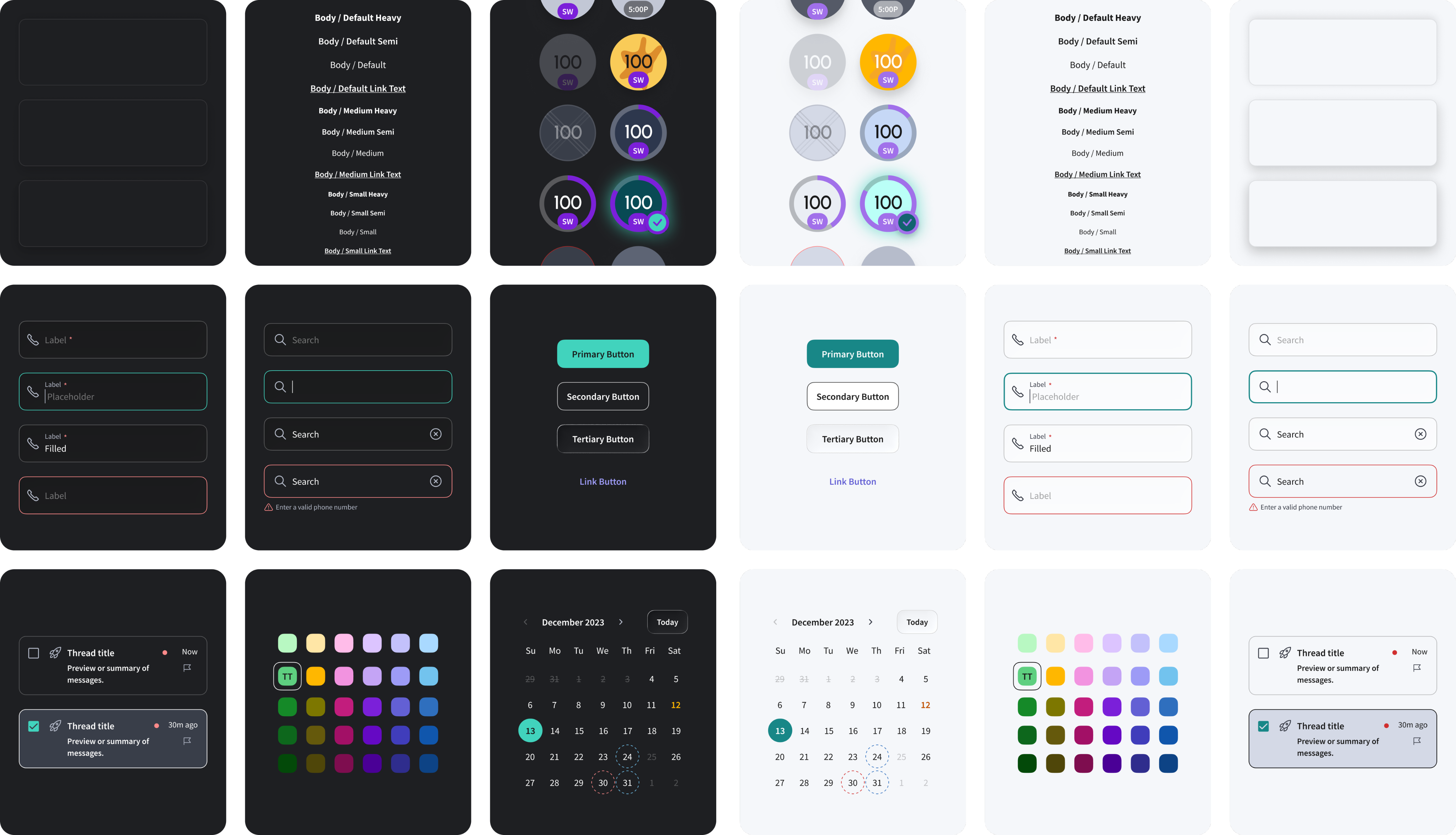
Host App design system

A system built for how restaurants actually operate

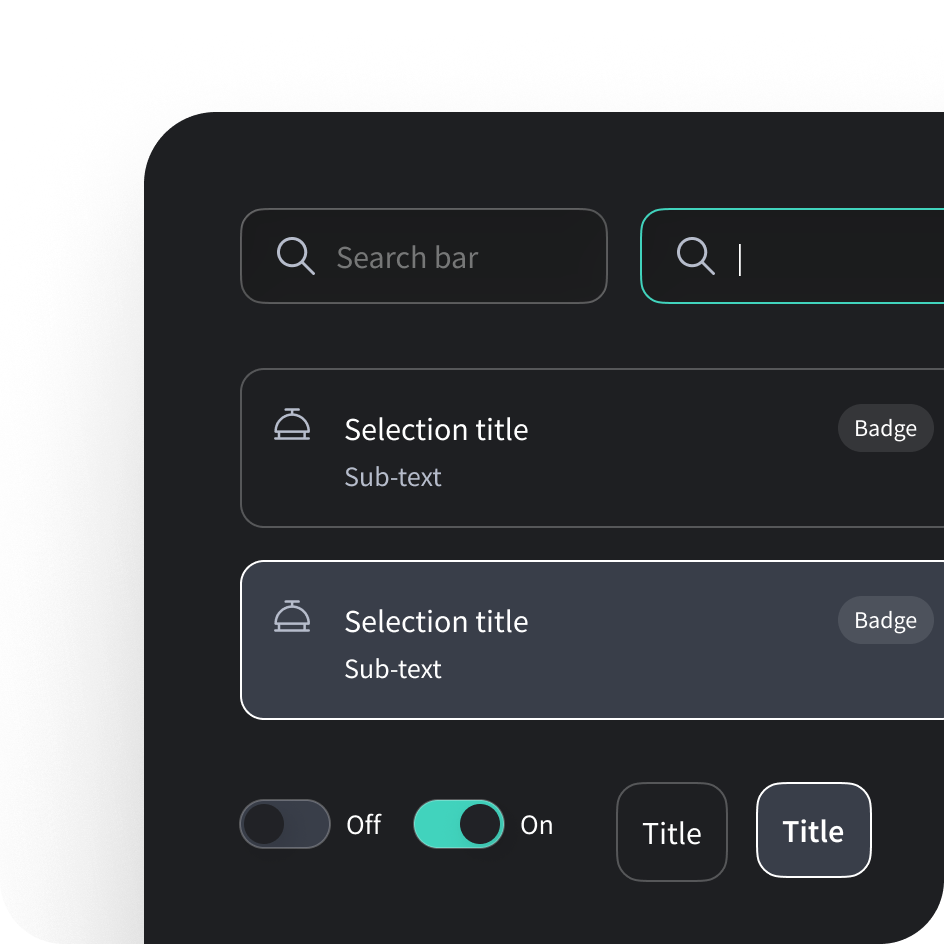
The Host App is used in loud, dark, busy restaurants where staff need to execute actions in seconds. Building a system for it meant designing for those conditions from the start, accounting for lighting, time pressure, and high-frequency use.

Design Systems Tablet Design Visual ID
Light and dark mode token system

Light & dark mode enablement

Built a token-based color system that lets the interface shift between modes while keeping contrast and visual hierarchy intact, so the app stays readable whether it's a bright afternoon or a packed dinner service.

Scalable interaction patterns

Scalable interaction patterns

Standardized the core interaction patterns across every workflow - forms, inputs, selections, state changes - so staff never had to relearn how something works. Familiar patterns mean faster execution when it matters most.

Responsive consumer web design system

Responsive consumer web system

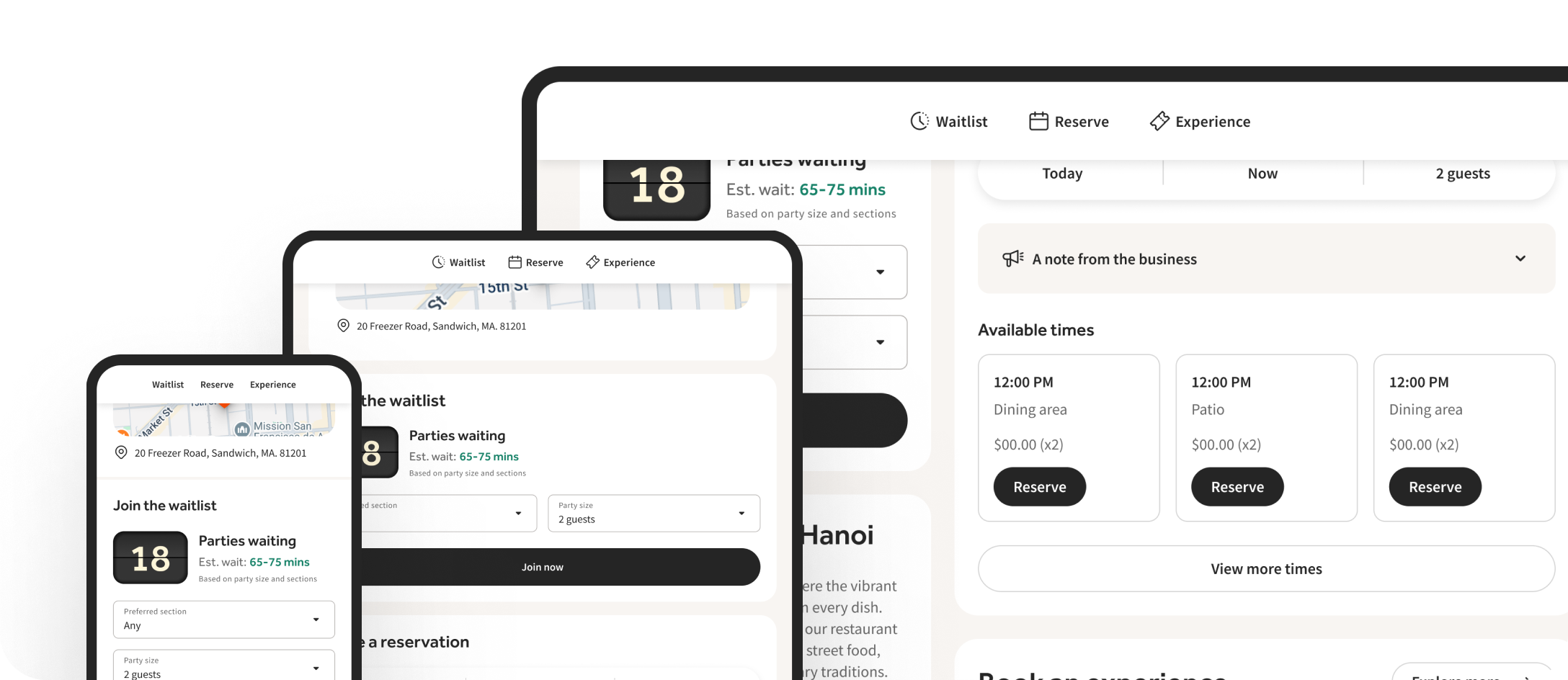
The web marketplace had no design foundation when we started - every new surface meant rebuilding from scratch. I built a flexible system that could scale across devices and support rapid iteration as the product evolved.

Responsive Web Modularity Flexible
Responsive layout system

Responsive layout system

Established how content, grids, and components adapt across breakpoints, so new pages could be built faster without inconsistency creeping in.

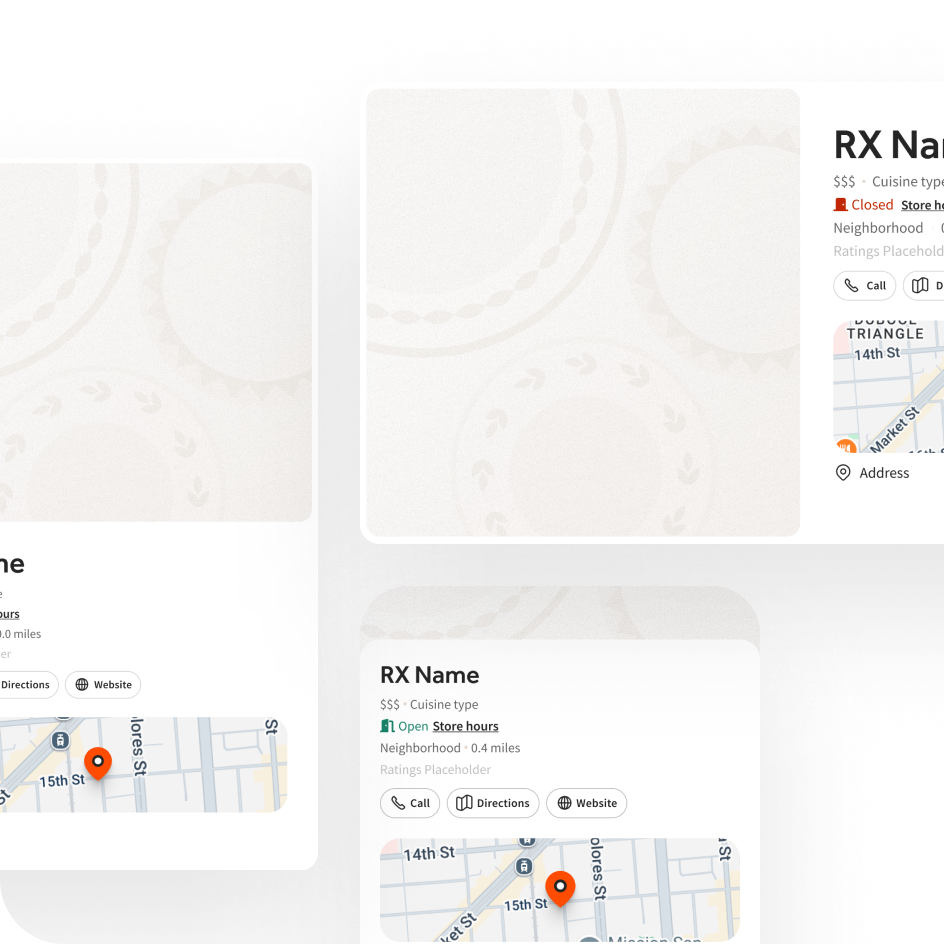
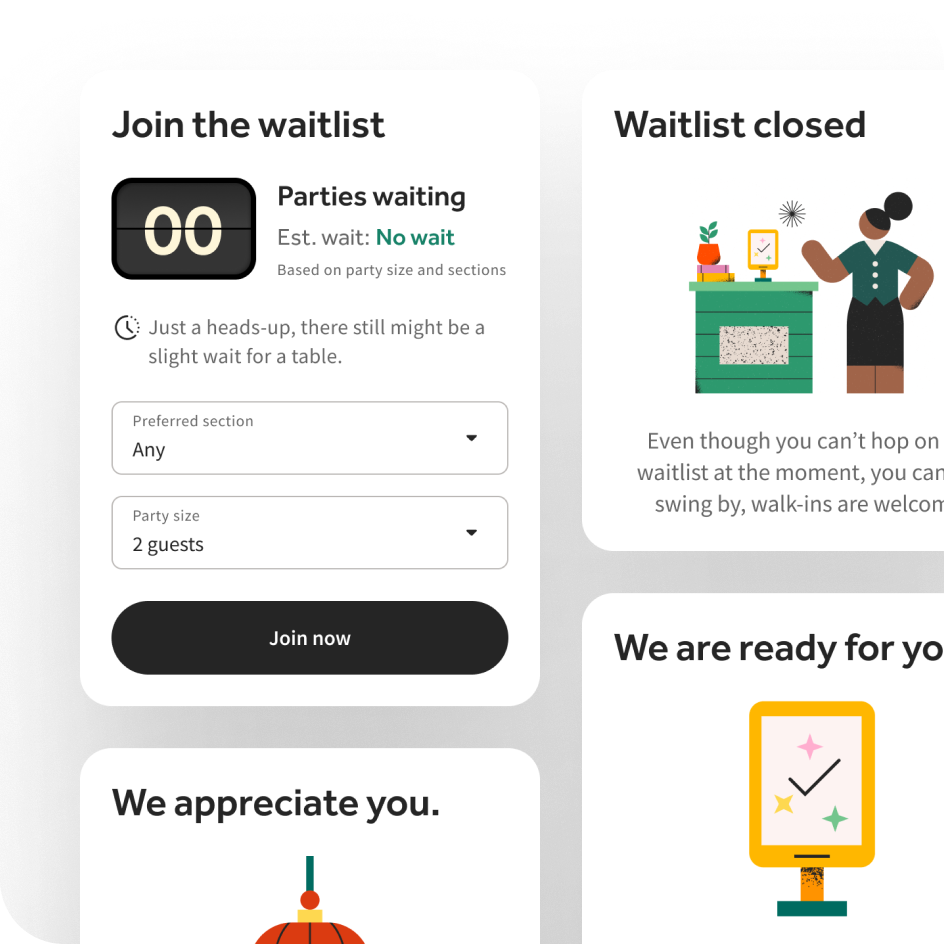
Reusable component library

Reusable components for rapid growth

Built a modular component system where each module - like waitlist states, booking flows, or availability displays - could plug into any page without breaking consistency.

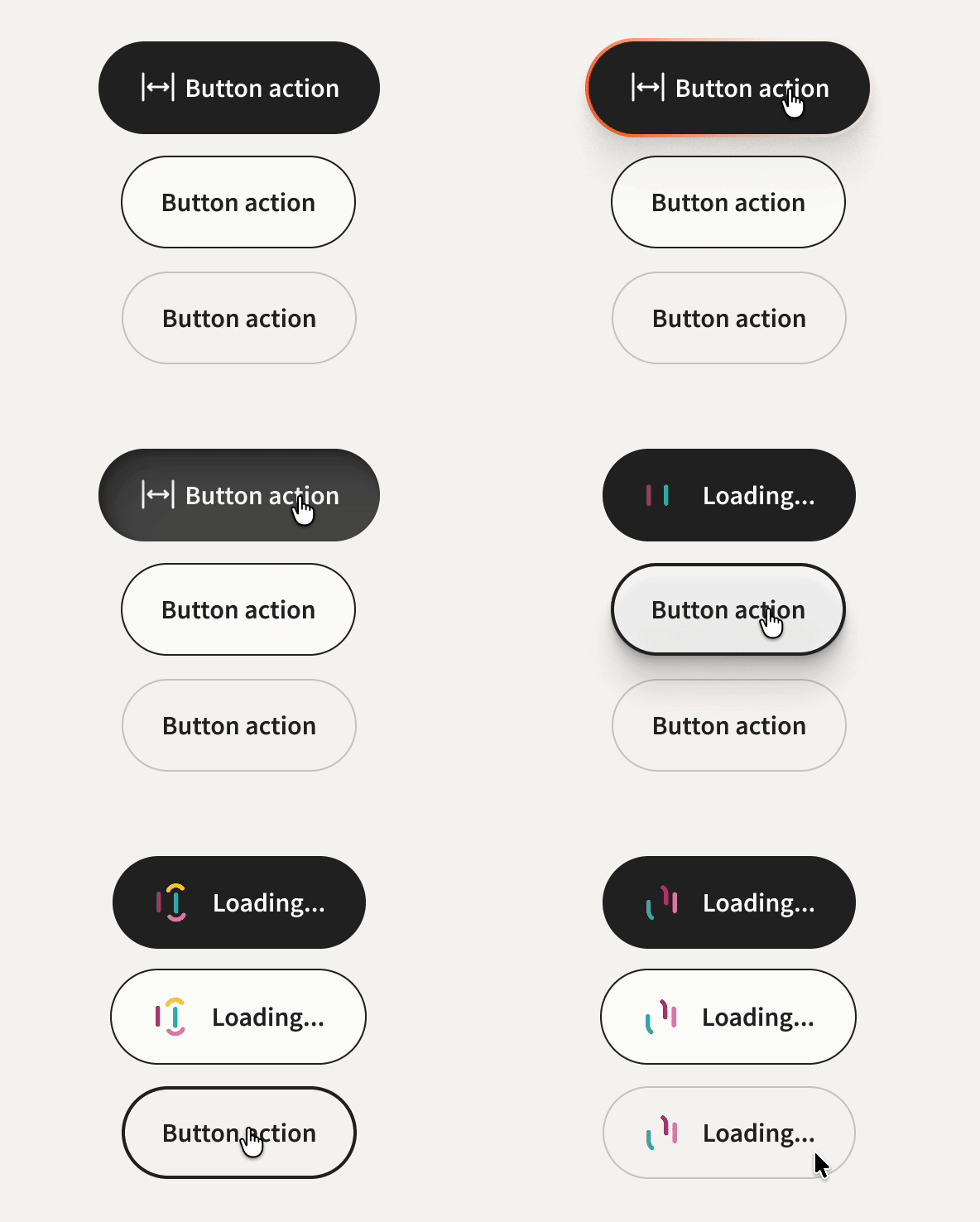
Button action design system component

Accelerating design through systemization

As the platform scaled and the team grew, I needed design to move faster without losing consistency. That meant going beyond defining systems - it meant making them something anyone could pick up and run with.

Design Systems AI-Assisted Prototyping Cross-functional Tooling
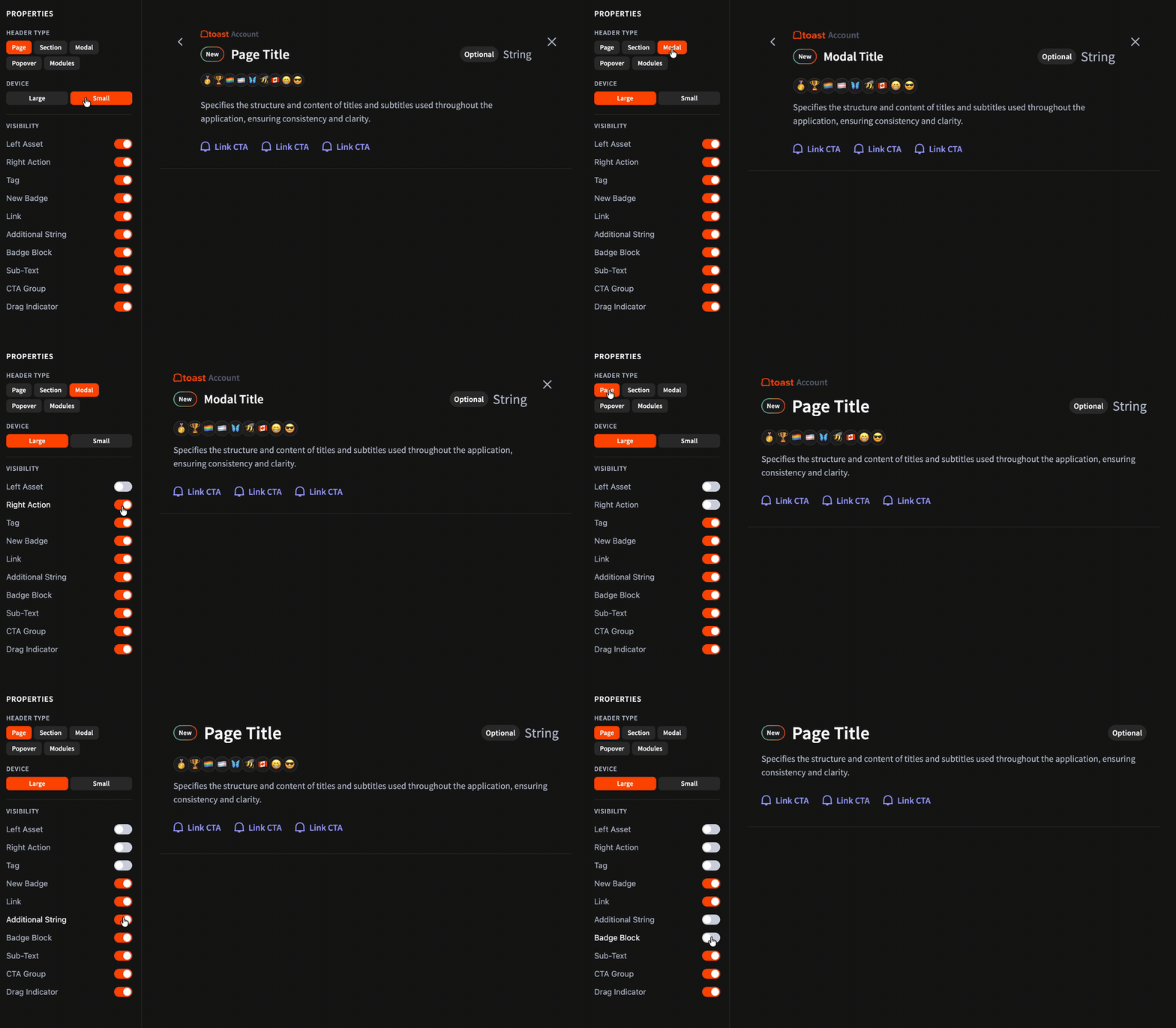
Header design system animation

Systems > AI > Prototyping

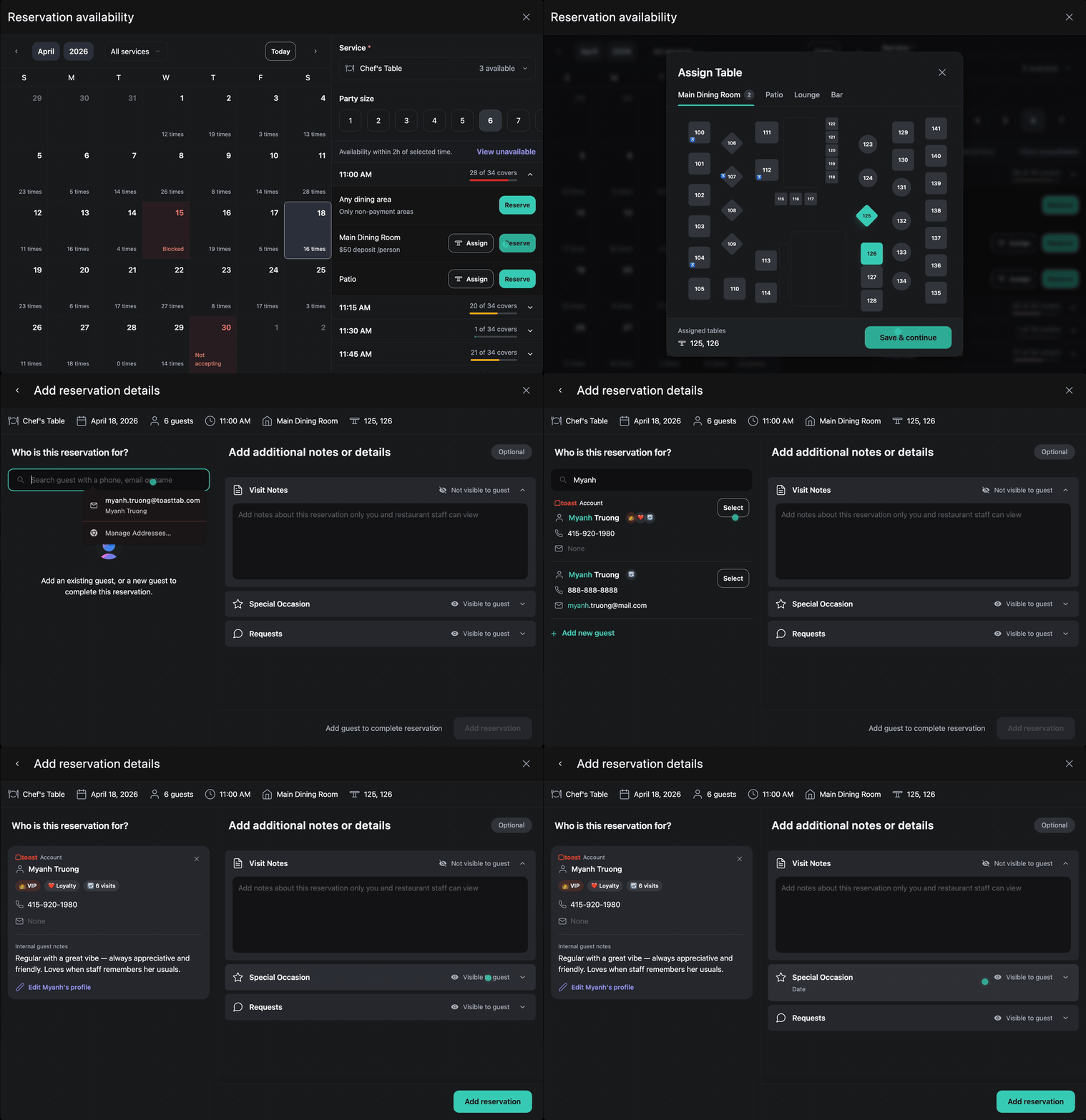
Translated both systems into Magic Patterns, enabling designers and product partners to quickly assemble flows using pre-built components and patterns that reflected real product behavior.

Reservation flow prototype animation

Faster iteration & feedback loops

Ability to fork and iterate on flows without rebuilding pages, and users could engage earlier on ideas through more tangible prototypes.

"The DS hook up is a game changer"

Team member, Toast
View Next Case Study

Group Experts
Group Experts case study preview